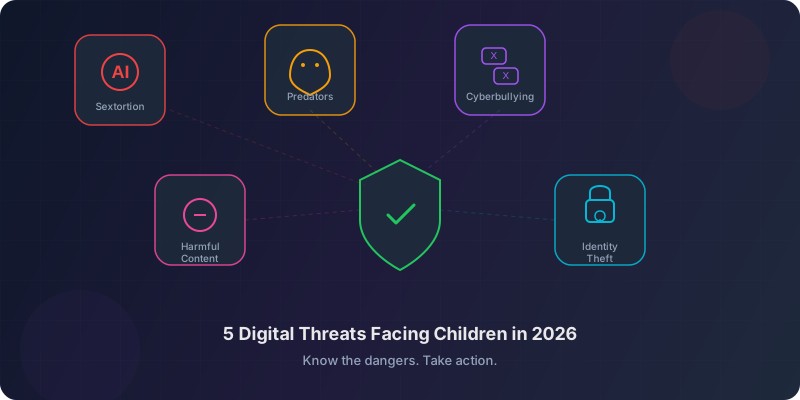
The internet in 2026 is not the same internet you grew up with. The threats children face today are more sophisticated, more targeted, and harder to detect than anything previous generations encountered. As a parent, understanding these dangers is the first step toward protecting your child.
Key Takeaways
- AI-powered sextortion scams can fabricate fake intimate images from ordinary social media photos.
- Online predators use gaming platforms and social media to gradually groom children over weeks or months.
- Over 40% of teens experience cyberbullying — and it follows them home 24/7 through their devices.
- Social media algorithms can push vulnerable teens toward self-harm and eating disorder content.
- Children oversharing personal data creates risks for identity theft and physical safety.
1. AI-Powered Sextortion Scams
Sextortion — where someone threatens to share intimate images unless the victim pays or provides more content — has exploded among teenagers. What makes the 2026 version particularly dangerous is that scammers no longer need real images. AI tools can generate realistic fake intimate photos from ordinary social media pictures.
The typical pattern: a scammer contacts your child through Instagram, Snapchat, or gaming platforms. They build rapport over days or weeks. Then they send a fabricated image and threaten to share it with the child's school, friends, or family unless they receive payment or more photos.
If your child is targeted
Do not pay. Report to law enforcement and the platform immediately. The FBI's IC3 handles these cases. Tell your child it is never their fault — this is a crime committed against them.
What you can do:
- Talk to your children about sextortion before it happens. They need to know this exists and that it is never their fault.
- Tell them to never send personal photos to anyone online, even people they think they know.
- Monitor who contacts your child on social platforms. Unknown accounts reaching out to your child are a red flag.
2. Online Predators and Grooming
Predators have always existed online, but their tactics have become more sophisticated. Modern grooming often starts on mainstream platforms — gaming servers on Discord, comment sections on YouTube, or public groups on Facebook — before moving to private messaging.
The grooming process is gradual. A predator may spend weeks or months building trust, asking seemingly innocent questions, complimenting the child, and creating a sense of special connection. They often pose as another teenager. By the time they make inappropriate requests, the child feels emotionally bonded and is less likely to tell a parent.
Warning signs to watch for
Your child mentions an online "friend" significantly older than them. They receive gifts, game credits, or money from someone you do not know. They become secretive about who they are talking to. They use devices late at night or behind closed doors more than usual.
What you can do:
- Use contact monitoring to see who communicates with your child and how frequently.
- Review social media friend and follower lists periodically.
- Set a household rule: no communicating with people they have not met in real life without parental knowledge.
- Location tracking can alert you if your child goes somewhere unexpected — potentially to meet someone they met online.
3. Cyberbullying and Online Harassment
Studies consistently show that over 40% of teens experience cyberbullying. Unlike traditional bullying that ends when the school day is over, cyberbullying follows children home through their phones and computers. It can be relentless — anonymous accounts, pile-on attacks in group chats, public humiliation through shared screenshots, and exclusion from online groups.
The mental health impact is severe. Cyberbullying is strongly correlated with anxiety, depression, self-harm, and in extreme cases, suicide. Children often do not report it because they fear losing access to their devices, being blamed for the situation, or making things worse.
What you can do:
- Monitor messaging apps and social media activity for signs of bullying — mean messages, being excluded from groups, or repeated conflicts with specific contacts.
- Watch for behavioral changes: withdrawal, unexplained crying, reluctance to go to school, or anxiety around their phone.
- Make it clear that reporting bullying will not result in punishment or losing their device.
- Document everything. Screenshots and message logs are important if you need to involve the school or law enforcement.
4. Harmful Content and Self-Harm Communities
Social media algorithms are designed to show users more of what they engage with. For a teenager who searches for "feeling sad" or "I hate my body," the algorithm may start serving increasingly dark content — posts glorifying self-harm, eating disorder communities, or even content that normalizes suicide.
These communities often form on platforms like Tumblr, Reddit, Twitter, and TikTok. They use coded language and hashtags that parents would not recognize. Members actively discourage each other from seeking professional help, framing destructive behavior as empowerment or identity.
What to look for
Watch for new apps you do not recognize, changes in eating habits, unexplained injuries, or sudden wardrobe changes (wearing long sleeves in summer). If you discover your child is engaging with harmful content, respond with concern, not anger. Seek professional support.
5. Data Privacy and Identity Theft
Children share far more personal information online than they realize. Full names, school names, locations tagged in photos, birthdays shared on social media, and home addresses visible in background photos all create a digital footprint that can be exploited.
Identity theft targeting minors is growing rapidly. Because children have clean credit histories and their information is rarely monitored, fraud can go undetected for years — sometimes not discovered until the child applies for their first loan or credit card.
Beyond financial fraud, oversharing location data puts children at physical risk. A public Instagram story tagged at their school, combined with a Snapchat post showing their walking route home, gives a stranger a detailed picture of their daily routine.
What you can do:
- Review your child's social media privacy settings. All accounts should be set to private.
- Teach them to never share their address, school name, phone number, or full birthdate online.
- Disable location tagging on their social media and camera apps.
- Use app permission monitoring to see which apps have access to location, contacts, and other sensitive data.
- Consider a credit freeze on your child's Social Security number to prevent identity theft.
Taking Action
Knowledge of these threats is only useful if it leads to action. The combination of honest conversation, appropriate device restrictions, and monitoring tools gives you the best chance of keeping your child safe online.
You do not need to monitor everything
You do not need to read every message. But you do need visibility into the patterns — who is contacting your child, which apps they spend time on, what kind of content they consume, and where they go. That level of awareness is the difference between catching a problem early and finding out after damage is done.